Carnaby Street shop removals expert tips for Soho businesses
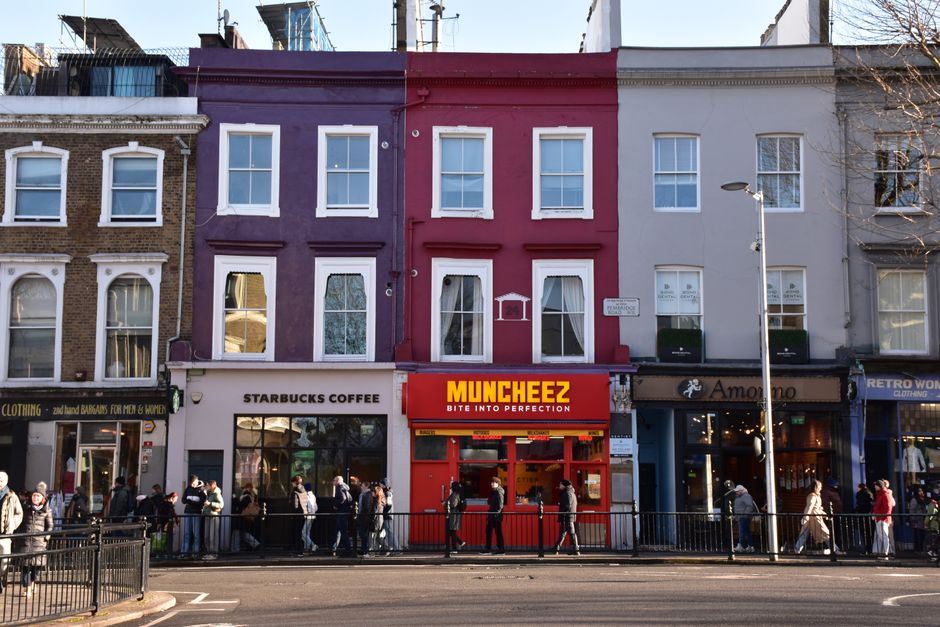
Moving a shop in Carnaby Street or anywhere around Soho is rarely a simple case of packing boxes and turning up with a van. Narrow streets, busy footfall, awkward loading times, delicate stock, and the pressure to reopen quickly all make it a different kind of job. That is exactly why Carnaby Street shop removals expert tips for Soho businesses matter: they help you avoid disruption, protect stock, and keep customers from walking past a half-finished move wondering what on earth is going on.
In practice, the best shop moves are the ones that look calm from the outside. Behind that calm sits planning, timing, the right vehicle, and a removals team that understands central London logistics. This guide breaks down what to do, what to avoid, and how Soho businesses can prepare properly without losing time, money, or sleep. Truth be told, it is a lot easier when you know where the pain points are before they happen.
Why Carnaby Street shop removals expert tips for Soho businesses matters
Soho is lively, compact, and brilliant for trade - which also makes it a slightly tricky place to move a retail unit. Carnaby Street in particular comes with the usual central London realities: tight access, pedestrians everywhere, delivery windows that need respect, and very little room for delay. If you are moving stock, display units, point-of-sale equipment, fixtures, or back-office items, every extra minute can matter.
For a shop owner, the real issue is not just transportation. It is continuity. Can you keep trading? Can you protect fragile merchandise? Can your team still serve customers while the move is happening? Those are the questions that separate a smooth commercial relocation from a stressful one.
That is why expert removals advice is useful before you even book a vehicle. It helps you think like a logistics planner rather than just a shopkeeper with a deadline. And yes, that shift in mindset makes a big difference.
Local removals in Soho often involve more than one moving part:
- stock that needs careful categorising and labelling
- shop fittings that must be dismantled without damage
- restricted loading or access challenges
- busy trading hours that limit when work can happen
- the need to coordinate landlords, staff, and suppliers
The best planning starts with those realities, not with the boxes. That sounds obvious, but in a rush it is easy to miss.
How Carnaby Street shop removals expert tips for Soho businesses works
A well-managed shop move in this part of London usually follows a simple but disciplined sequence. It begins with a survey or detailed consultation, then moves into packing, disassembly, transport, unloading, and setup. The details are where the difference lies.
For example, a clothing boutique may need rails, mirrors, till units, garment stock, packaging materials, and visual merchandising pieces moved in a specific order. A lifestyle shop might need shelving, fragile stock, and branded display units prioritised differently. A cafe or small hospitality retailer may have chilled items, counters, and back-of-house equipment to think about. The process is similar, but the sequence is never identical.
In a strong removal plan, the team will usually consider:
- access to the old and new premises
- vehicle size and parking restrictions
- the best time of day to move
- which items can travel together and which should be separated
- what needs protection, wrapping, or dismantling
- how quickly the business must reopen
If the move is part of a wider business change, it can also help to look at commercial moves alongside related services like packing and boxes or packing and unpacking services. That way, the operational plan is not split across too many loose ends.
A useful rule of thumb: the more visible or fragile the item, the more deliberate the move should be. Shop glass, lighting, branded displays, and fitted pieces often need extra care. The van is the easy part. The sequence is the hard part.
Key benefits and practical advantages
When a Soho business gets its move right, the benefits are immediate and very practical. You protect stock, reduce downtime, avoid rushed decisions, and stop small problems from turning into expensive ones. That may sound dry, but anyone who has had to reopen late on a Monday morning knows how real those pressures are.
Some of the most valuable advantages include:
- Less lost trading time: a properly planned move can be staged around quieter hours or shut-down periods.
- Better stock protection: organised packing helps prevent damage, especially with fragile or high-value items.
- Cleaner setup at the new site: labels, lists, and room-by-room sorting make unpacking faster.
- Lower stress for staff: the team knows what is happening, when, and who is responsible.
- Fewer access problems: the right vehicle and timing reduce bottlenecks on tight streets.
There is also a customer-facing benefit that people underestimate. A tidy, well-managed move keeps your brand looking professional. Customers notice when a shop feels organised, even during a transition. They really do.
If you are comparing service levels, it is worth checking a provider's removal services, the practical approach shown in removal companies, and the support available through pricing and quotes. Transparent planning is a benefit in itself.
Who this is for and when it makes sense
This guide is especially relevant if you run a retail business, showroom, boutique, small hospitality venue, gallery-style shop, or mixed-use premises in Soho or around Carnaby Street. It also helps if you are moving between nearby central London locations and need the whole thing done with minimal fuss.
It makes sense to focus on expert removals advice when:
- you have stock or fittings that need careful handling
- your opening hours leave a narrow moving window
- the new site is close, but access is awkward
- you need help with dismantling, packing, or reassembly
- you want to avoid accidental damage to branded interiors
- you cannot afford a long closure
Not every shop move needs a huge lorry and a full crew. Sometimes a lighter-touch setup is better, especially for smaller premises. In other cases, a larger operation is safer and faster. The right choice depends on the inventory, the layout, and how much you can safely move in one go.
For smaller or more flexible jobs, a man and van, man with a van, or man with van arrangement may be enough. For a fuller commercial relocation, a larger moving truck or dedicated removal truck hire can be the better fit.
Step-by-step guidance
Here is a straightforward way to approach a Carnaby Street shop move without losing control of the details. Simple steps, but they need discipline.
- Walk the route and inspect access. Check entrances, stairways, lifts, loading points, and any restrictions at both addresses.
- Make a room-by-room inventory. List stock, furniture, fixtures, packaging materials, and any items that are high value or fragile.
- Separate what stays, what moves, and what gets recycled. This is the perfect moment to remove unused stock or damaged fittings.
- Decide the move sequence. Move essentials first: tills, stock needed for immediate re-opening, and key display items.
- Prepare packing materials early. Good boxes, tape, labels, bubble wrap, covers, and crates save time later.
- Book the right team and vehicle. Match the service to the scale of the job rather than guessing.
- Brief staff clearly. Everyone should know who is packing, who is checking stock, and who is approving handover.
- Protect the new site before unloading. Floor protection and clear placement plans help prevent damage during setup.
- Test the layout before you fully unpack. That saves you from moving heavy items twice. Which, let's face it, nobody enjoys.
- Do a final count and sign-off. Confirm that the obvious items and the odd little bits are all accounted for.
A good move feels almost boring in the best possible way. Boxes come off. Items land where they should. The till powers up. The door opens. Done.
Expert tips for better results
Here is the useful bit - the practical advice that makes the move smoother, especially in tight Soho streets.
1. Pack by trading priority, not just by room
In retail, the order of packing should follow what you need to reopen quickly. A display shelf may be less urgent than your card machine, but both matter more than a seasonal backroom item. If you pack by convenience alone, you create extra work later.
2. Label like someone else will unpack it
Because they probably will. Clear labels should include the destination, item type, and any handling notes. "Fragile" is fine, but "front window display - upright only" is much better.
3. Protect glass and fittings properly
Shopfront pieces, mirrors, shelving, and branded displays can be awkward shapes. Wrap them fully, pad the corners, and keep hardware in separate labelled bags. A missing screw can hold up a whole reassembly. Annoying, but very real.
4. Keep one essentials box per site
One box for the old site, one for the new site. Put tape, marker pens, charger cables, keys, basic tools, paperwork, and cleaning cloths in there. It sounds minor. It is not minor on the day.
5. Plan around Soho traffic, not against it
In central London, timing is everything. A move that looks fine on paper can become awkward if it clashes with footfall or deliveries. Early starts can help, but only if access and staff availability line up too.
6. Ask about insurance and handling standards
Not all movers manage commercial stock, fixtures, or fragile items the same way. A responsible provider should be able to discuss protection, vehicle suitability, and how items will be handled. If they brush past those questions, that is a warning sign.
You can also review a provider's approach to insurance and safety and their health and safety policy before the move. It is not paperwork for the sake of it. It helps set expectations.
7. Use storage if the move has a gap
Sometimes the new unit is not quite ready, or fit-out work runs a little long. That happens. A short-term storage option can take the pressure off and stop stock from being squeezed into the wrong place at the wrong time.
Common mistakes to avoid
Most shop removal problems are preventable. That is the slightly frustrating truth. Here are the ones that show up again and again.
- Leaving packing too late: the day before the move is not the time to realise you need more tape.
- Underestimating access issues: a vehicle can arrive on time and still be unable to unload efficiently.
- Not separating valuable stock: mixed boxes create confusion and increase the chance of loss or damage.
- Forgetting reassembly needs: if shelves, counters, or rails were dismantled, make sure fixings are bagged and labelled.
- Choosing a vehicle that is too small: multiple unnecessary trips cost time and energy.
- Ignoring staff handover: the move may be physically complete while the business is still operationally stuck.
One of the least obvious mistakes is failing to plan for the first trading hour after the move. A store can look "moved" but still not be ready to sell. Stock is on site, sure, but where are the carrier bags? Where are the receipts? The card reader? The little things matter.
If you want to avoid that scramble, build your move around reopening rather than loading. It is a better way round.
Tools, resources and recommendations
You do not need fancy kit to make a good move, but you do need the right basics. Here is what usually helps most.
| Tool or resource | Why it helps | Best use |
|---|---|---|
| Strong double-walled boxes | Better protection for stock and fragile items | Merchandise, paperwork, smaller shop equipment |
| Label printer or marker pens | Makes unpacking faster and less chaotic | Boxing, shelving, and section sorting |
| Protective wrap and blankets | Reduces knocks and surface damage | Displays, mirrors, counters, signage |
| Floor protection | Helps prevent scuffs in the old and new premises | Busy unloading and setup periods |
| Inventory sheet | Lets you check items in and out cleanly | Stock control and handover |
| Short-term storage | Useful when fit-out or timing gaps appear | Delays, phased moves, seasonal stock |
If you are arranging a more tailored move, look at furniture removals for larger items, furniture pick up for single-item handling, and removal van support when the job is lighter but still needs care.
For businesses that need a more complete service, office removals and office relocation services can also be relevant if the shop move includes back-office functions or admin space. In some Soho setups, the line between retail and office is thinner than you might think.
Law, compliance, standards and best practice
Shop removals are not usually about one dramatic legal issue. They are more often about doing the basics properly: safety, care, insurance, and sensible operational planning. In the UK, businesses generally have duties around the safe handling of people and property, and removal work should reflect that. Exact obligations can vary depending on your premises, lease terms, and the nature of the goods being moved.
For practical purposes, a Soho business should think about:
- Health and safety: safe lifting, clear walkways, and a sensible loading plan
- Insurance cover: understand what is covered before anything is moved
- Security: keys, alarms, stock control, and handover procedures
- Data and payment equipment: tills, terminals, and any customer data should be handled carefully
- Recycling and waste: dispose of unwanted packaging and obsolete fixtures responsibly
It also helps to review terms and conditions, payment and security, and recycling and sustainability information before booking. These pages tell you how a provider sets expectations, handles payments, and approaches waste reduction. That matters more than people sometimes admit.
If you have a complaint process in mind or need a fallback route, it is also sensible to know how a provider deals with issues in advance. Nobody wants to use that knowledge, of course, but having it reduces uncertainty.
Options, methods and comparison table
Not every Carnaby Street shop move needs the same setup. Below is a simple comparison to help you choose the right approach.
| Method | Best for | Pros | Watch-outs |
|---|---|---|---|
| Man and van | Small shops, limited stock, fast local moves | Flexible, often efficient, good for compact jobs | May be too small for larger fit-outs or multiple heavy items |
| Removal van | Moderate shop contents and boxed stock | Good balance of capacity and manoeuvrability | Needs smart loading to avoid multiple trips |
| Moving truck | Larger relocations and bulkier items | Higher capacity, fewer journeys | Can be harder to position on busy streets |
| Full commercial move | Shops with fixtures, stock, and operational complexity | Better coordination, less disruption, more control | Needs more planning and clear lead time |
The right answer is often a mix. A small team may move some items with a lighter vehicle while a larger section goes into storage or waits for the second phase. That sort of hybrid approach is common in Soho, especially when access is tight and downtime has to be kept to a minimum.
Case study or real-world example
Picture a small independent shop near Carnaby Street moving into a new unit a few streets away. The business has display shelves, framed wall pieces, boxed stock, a till area, and a handful of bulky items that cannot be squeezed into a haphazard plan. Nothing outrageous, but enough to cause headaches if handled badly.
The team starts by separating daily essentials from decorative stock. The tills, cables, paperwork, and opening-day stock are packed first and labelled clearly. Window display items are wrapped individually. Shelving hardware goes into small sealed bags attached to the matching fixtures. A short loading window is chosen so staff can leave the old shop cleanly and arrive at the new one without sitting in traffic or blocking pedestrians for no reason.
At the new site, floor protection is laid before unloading begins. The most important pieces are positioned first so the team can build the selling space around them. A few items are temporarily stored because the layout needs one more tweak. Not perfect, but sensible. By the end of the day, the business is not fully dressed, but it is operational. That is usually the real win.
In cases like this, a service such as same day removals may be useful when timing is tight, although it still needs proper planning. Speed helps, but only if the move is organised. Otherwise it just becomes a quicker mess.
Practical checklist
Use this before the move date. Keep it simple and tick things off as you go.
- Confirm the move date and access times for both premises
- Check vehicle access, parking restrictions, and loading points
- Prepare an inventory of stock, furniture, fittings, and tools
- Separate fragile, high-value, and urgent items
- Gather boxes, tape, labels, wrap, and protective materials
- Back up important business data and secure payment equipment
- Tell staff their roles and timings
- Plan the first hour of trading at the new site
- Decide what will go into storage, if anything
- Review insurance, safety, and payment details before booking
- Arrange disposal or recycling for unwanted packaging and old fittings
- Do a final count before leaving the old premises
Small detail, big payoff. That is the pattern every time.
Get a free quote today and see how much you can save.
Conclusion
Carnaby Street and Soho reward businesses that move with a plan. The area is busy, compact, and full of energy, which is brilliant for trade and less brilliant for rushed removals. If you think ahead, keep your packing disciplined, and choose the right vehicle and support, your shop move can be far smoother than you might expect.
The best Carnaby Street shop removals expert tips for Soho businesses are not really about tricks. They are about control: clear labels, sensible timing, proper protection, and a move order that matches how your business actually works. Get those right, and everything else gets easier. Not effortless, but easier - and that counts.
There is always a little tension with any business move. That is normal. But with the right preparation, you can keep the stress in check and open the doors with confidence.
Frequently Asked Questions
What makes Carnaby Street shop removals different from a standard shop move?
Carnaby Street shop removals tend to involve tighter access, heavier foot traffic, and more pressure on timing. The logistics are more sensitive, so planning around loading, vehicle size, and reopening is especially important.
How far in advance should a Soho business book a shop removal?
As early as possible. Even if the move itself is local, access and timing can be tricky in Soho, so a bit of lead time helps you secure the right slot and avoid last-minute compromises.
Do I need packing help for a small retail move?
Often, yes. Even small shops have fragile stock, cables, signage, and fittings that benefit from proper packing. Services like packing and unpacking services can save a lot of time and reduce damage risk.
Is a man and van service enough for a shop relocation?
Sometimes. For smaller shops with limited stock and a short move distance, a lighter setup can work well. For more complex relocations, you may need a larger vehicle or a fuller commercial move.
How can I reduce downtime during the move?
Pack by reopening priority, move essentials first, and use a clear loading sequence. Also, make sure the new site is ready before the main unload begins. That usually saves the most time.
What should I do with items I do not want to move?
Sort them out before the move and decide whether they should be recycled, donated, stored, or removed. If you have bulky unwanted furniture, a service such as furniture removals can be useful.
Can shop fixtures and shelving be dismantled and reassembled?
Yes, in many cases they can, but they need careful handling and proper labelling. Keep fixings and matching parts together so reassembly does not turn into a guessing game.
What if my new premises are not ready on move day?
That happens more often than people think. Short-term storage can help bridge the gap and keep stock safe until the unit is ready.
Should I move stock and shop fittings together?
Not always. It can be better to separate stock from fittings so packing, handling, and setup stay organised. A staged approach is often calmer and easier to manage.
How do I know whether a removals provider is suitable for a Soho business?
Look for clear communication, sensible planning, suitable vehicle options, and a straightforward explanation of safety and handling. Their about us page can also help you judge their professionalism and experience.
Are same-day shop removals a good idea?
Only if the move is simple and well prepared. Same-day support can be helpful for smaller or urgent jobs, but it still needs structure. Speed without planning is rarely a win.
What should I review before paying a removals deposit?
Check the quotation, included services, payment terms, and any conditions that affect cancellation or rescheduling. It is sensible to read the provider's terms and conditions and payment and security information first.