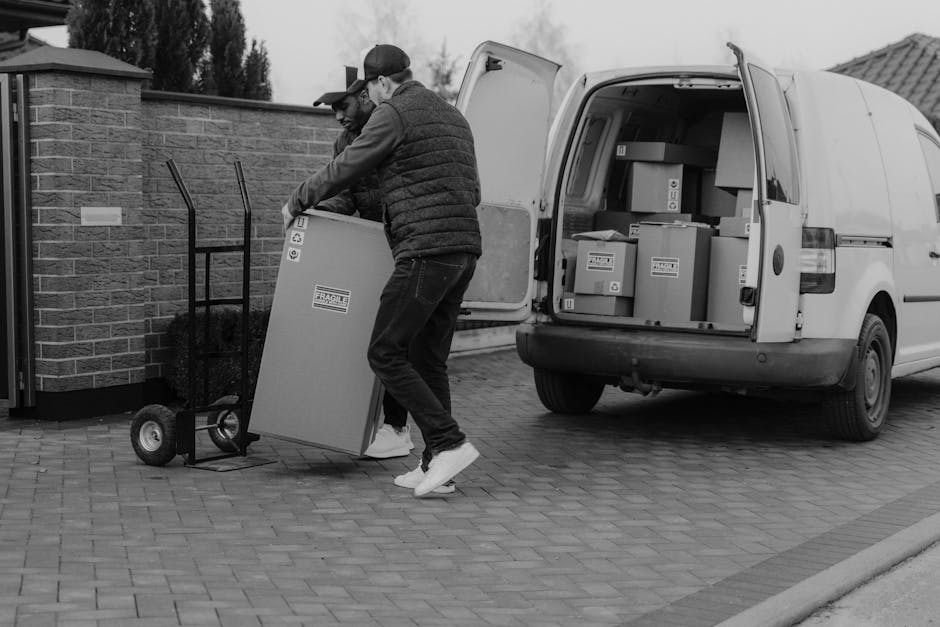
W1D postcode moving tips for Man with Van Soho removals
Moving in W1D can feel straightforward on paper, then suddenly you are juggling tight streets, awkward loading space, lift bookings, and a van that needs to arrive at exactly the right time. If you are planning a move in Soho, the details matter more than people expect. That is especially true for W1D postcode moving tips for Man with Van Soho removals, because a small flat move or business relocation in central London can go smoothly only when the access, timing, packing, and parking are all lined up properly.
This guide breaks the process down in plain English. You will find practical advice for planning a man and van move in Soho, how to avoid the common bottlenecks, what to prepare before moving day, and how to make the most of a smaller removal vehicle in a busy postcode. A little preparation goes a long way here, honestly. The difference between a calm move and a stressful one is often just a few smart decisions made early.
Table of Contents
- Why W1D postcode moving tips for Man with Van Soho removals Matters
- How W1D postcode moving tips for Man with Van Soho removals Works
- Key Benefits and Practical Advantages
- Who This Is For and When It Makes Sense
- Step-by-Step Guidance
- Expert Tips for Better Results
- Common Mistakes to Avoid
- Tools, Resources and Recommendations
- Law, Compliance, Standards, or Best Practice
- Options, Methods, or Comparison Table
- Case Study or Real-World Example
- Practical Checklist
- Conclusion
- Frequently Asked Questions
Why W1D postcode moving tips for Man with Van Soho removals Matters
Soho is not the kind of place where you can just wing it on moving day. W1D covers a busy part of central London with narrow streets, constant foot traffic, mixed-use buildings, and the kind of access quirks that only become obvious when a sofa is halfway through a doorway. If you are moving with a man and van setup, those quirks matter even more because the vehicle is smaller, the loading window is usually tighter, and the whole operation depends on clear coordination.
The reason these tips matter is simple: a good move in Soho is not just about lifting boxes. It is about avoiding wasted time, preventing damage, staying within building rules, and making sure the van can actually stop where it needs to. One missed detail, like a loading bay not being available or a lift not being reserved, can ripple through the whole day. Nobody wants that, especially when you are already living around half-packed boxes and the smell of cardboard in the hallway.
There is also a commercial side to it. If you are hiring a local removals team, a well-prepared move is usually more efficient and less stressful for everyone involved. Crews can work faster when they are not waiting on access, so your move feels smoother. That does not mean rushing. It means being organised enough that the van can do its job properly.
How W1D postcode moving tips for Man with Van Soho removals Works
A man and van move in W1D usually works best when the job is split into manageable stages: access, packing, loading, travel, and unloading. The whole point is flexibility. Unlike a large removal lorry, a man with a van is often chosen because it suits smaller loads, quicker turnarounds, and locations where a full-size vehicle would be awkward or unnecessary.
In practice, the process often starts with an assessment of what you are moving. Are you relocating from a studio flat, a shared apartment, an office, or a small retail space? Do you have bulky furniture, fragile items, or just a lot of boxed belongings? That information helps shape the vehicle size, number of helpers, and likely timing. It also helps avoid the classic mistake of underestimating how long it takes to get a large wardrobe down a Soho staircase. That staircase always looks a bit narrower on moving day, doesn't it?
Next comes the access plan. In central London, that may mean checking where the van can park, whether there is a loading bay nearby, whether building management has rules about moving times, and whether you need to reserve a lift or protect communal areas. Then the loading itself: careful stacking, padding of delicate items, and sequencing the boxes so that the essentials come off first at the other end. A good removals plan feels a bit boring on paper. That is exactly why it works.
If you are also planning other moving-related services, you may find it useful to look at the wider moving advice available through Man and Van Soho. Keeping everything in one place can make the planning phase easier, especially if your move involves more than just a van and a few boxes.
Key Benefits and Practical Advantages
There are several reasons people choose a man and van move in W1D rather than a larger, more traditional removal service. The first is flexibility. Soho often suits smaller vehicles better because the streets are busy and access can be limited. A compact vehicle can sometimes get closer to the property, which saves time and reduces the distance items need to be carried.
The second benefit is cost control. With a smaller move, it can be more sensible to pay for the exact amount of support you need rather than a full-scale removals package. That said, cheaper is not always better. If you underestimate the number of trips required or fail to plan loading properly, the saving can disappear quickly. Truth be told, a cheap move that takes all day is not much of a bargain.
The third advantage is convenience. Many W1D moves are time-sensitive. Maybe your lease ends at midday. Maybe your office needs to be cleared before new tenants arrive. Maybe you are just trying to avoid carrying a bookshelf down four flights in the rain. A man with a van can often work around these constraints more nimbly than a larger crew.
Another practical benefit is reduced disruption. For neighbours, building staff, and passers-by, a tidy and organised move is simply less intrusive. In a neighbourhood like Soho, that can make a real difference. You notice it in the little things: fewer blocked entrances, less noise, fewer awkward "sorry, just one more minute" moments in the stairwell.
| Move type | Best for | Strengths | Trade-offs |
|---|---|---|---|
| Man and van | Small to medium moves, single flats, office items | Flexible, practical, often easier in tight streets | Less capacity than a large removal lorry |
| Full removals team | Larger homes, heavy inventories, full-service moves | More labour, more capacity, more support | Usually higher cost and less nimble in central London |
| Self-move with hired van | Very small moves, confident DIY movers | Maximum control, potentially lower upfront cost | You handle all lifting, planning, and timing yourself |
Who This Is For and When It Makes Sense
This kind of move is usually right for people who have a modest amount of furniture, a limited time window, or a central London address where access is not simple. If you are moving out of a studio, one-bedroom flat, shared house room, or compact office, a man and van can be a very sensible fit. It is also useful for students, freelancers, landlords between tenancies, and small business owners moving stock or equipment.
It makes particular sense if you value flexibility over scale. Perhaps you are not moving everything in one go. Maybe you are splitting the move across two days. Or maybe you have a mix of items that would be overkill for a large removals truck. In those cases, a smaller, agile service can be exactly what you need.
It is less suitable when you have multiple oversized pieces, a very large inventory, or a property with difficult stair access and no lift. That does not mean it will not work, but you will need a stronger plan. Sometimes the smartest decision is to ask for a proper loading assessment before you book. Saves a headache later.
To put it simply, if your move is compact but tricky, man and van services often hit the sweet spot. If it is huge and complex, you may need more hands and more vehicle space. Matching the service to the reality of the move is half the battle.
Step-by-Step Guidance
Here is a straightforward way to plan a smoother W1D move without making life harder than it needs to be.
1. List everything you are moving
Start with a room-by-room list. Write down furniture, boxes, fragile items, and anything awkwardly shaped. If you can, separate essentials from non-essentials. This makes it much easier to estimate vehicle space and loading time.
2. Check access before moving day
Look at the route from the property to where the van can stop. Are there stairs? Narrow corridors? A lift? Building entry codes? A few minutes of checking can prevent a long delay when everyone is already on site and slightly flustered.
3. Confirm parking and loading options
In a busy postcode like W1D, parking can be the make-or-break issue. Make sure you know whether the van can stop nearby and whether there are time restrictions. If the vehicle has to double-park or park far away, loading time will increase. It sounds obvious, but people forget this all the time.
4. Pack in a way that suits the van
Use sturdy boxes, tape them properly, and label them by room. Put heavier items in smaller boxes so they are manageable. Keep glass, mirrors, and screens protected with padding. For anything fragile, do not leave a bit of bubble wrap to "do the job" if the item really needs more protection. That little gamble tends not to age well.
5. Prepare a moving-day essentials bag
Keep keys, chargers, ID, medications, water, snacks, and basic cleaning supplies separate from the main load. If you are arriving late in the day, you will be glad you did. There is nothing glamorous about hunting through a box marked "misc" for the kettle.
6. Load in the right order
Heaviest items usually go in first, with fragile or urgent items placed where they can be accessed easily at the destination. This helps protect delicate belongings and makes unloading faster. A sensible loading order is one of those small things that pays off immediately.
7. Do a final walkthrough
Before the van leaves, check cupboards, shelves, under beds, and storage spaces. People always leave one odd item behind. Usually it is something annoying, like the cable box or the one screwdriver you needed three days ago.
Expert Tips for Better Results
Here is where the practical details really start to matter. First, try to book your move for a time when the building and the streets are calmer. Early mornings often work better than midday, especially in central London, because foot traffic can be lighter and access is usually less chaotic. Not always, but often enough to be worth considering.
Second, protect the route inside the property. If you are moving out of a flat with shared hallways, use floor protection if required by the building and keep doors open only where appropriate. A quick damage-prevention check can save you from awkward conversations later. Nobody wants to be that person with a scuffed wall and a sheepish apology.
Third, make the most fragile items the easiest to identify. Clear labels like "glass," "this side up," or "unpack first" really do help. It seems small, but in a fast-moving unloading process, clear labels reduce mistakes. The same applies to your first-night essentials. Mark them boldly and keep them separate.
Fourth, think about weight distribution. Packing one box with books, then another with kitchenware, then a third with more books because "they fit," is how people end up with boxes that are awkward to lift and easy to drop. Keep loads sensible. Your back will thank you later, probably in a very quiet and unromantic way.
Fifth, give the move a bit of breathing room. If you know the building lift is slow or the stairwell is tight, do not schedule your whole day with zero margin. A little slack in the plan helps enormously when London decides to be London.
One more practical note: if you have bulky furniture that can be dismantled safely, do it before the move. Beds, tables, and shelving often travel better in parts. Just keep the fixings in labelled bags taped to the relevant item so you are not hunting for screws at 9 p.m. with a torch in your mouth. We have all seen that film.
Common Mistakes to Avoid
The most common mistake is underestimating access. People focus on what they own, but not enough on where it has to pass through. A sofa is one thing. A sofa through a narrow landing with a turn halfway down the stairs is another. Measure doorways, hallways, and any awkward corners before you commit.
Another mistake is leaving packing too late. Last-minute packing always creates messy boxes, poor labelling, and unnecessary stress. It also increases the chance of breakage because you rush the process. Even if you only have a few boxes, getting them done properly is worth the effort.
Some people also forget to check building rules. A property may have restrictions on move times, lift use, or where vehicles can stop. If you are moving into or out of managed accommodation, asking early can save you from a long delay on the day itself.
There is also the issue of overstuffing the van. A tight load might look efficient, but if items are jammed in without enough protection, damage can happen quickly. Soft items can cushion harder items, but only when used carefully and sensibly. Not every gap needs filling with something random. A half-deflated cushion is not a miracle tool.
Finally, people sometimes assume the route is fine because they have walked it before. Walking and moving furniture are two very different things. What feels easy on foot can become surprisingly awkward when you are carrying a box down a busy street in the rain. That is just the reality of it.
Tools, Resources and Recommendations
You do not need a huge toolkit for a man and van move, but the right basics make a noticeable difference. Strong packing tape, marker pens, sturdy boxes, furniture blankets, lifting straps, and bubble wrap for fragile items are all genuinely useful. For heavier furniture, gloves can improve grip and make handling less awkward. Again, basic stuff. Still important.
It also helps to have a simple moving inventory. A notebook, spreadsheet, or notes app is enough. List what is moving, where it belongs, and whether it needs special care. That one habit reduces confusion later. If the move involves both home and office items, colour-coding the boxes by room or destination can be very effective.
For access planning, a tape measure is one of the most underrated tools in the whole process. Measure tall furniture, door frames, and tricky stair turns before moving day. If you can dismantle something in advance, keep the screws and fittings together in sealed bags, then label them clearly.
If you are coordinating around a wider removals plan, it can also help to review the service information available through removals in Soho. Sometimes the biggest gains come from simply understanding the options before you book.
And yes, if you are moving delicate or high-value items, take your own photos before transit. Not because you expect problems, but because a quick visual record can be useful for your own peace of mind. It is one of those small habits that feels slightly overcautious until the day you actually need it.
Law, Compliance, Standards, or Best Practice
For a move in W1D, the main compliance issues are usually practical rather than dramatic: parking rules, access permissions, building regulations, and duty of care for shared spaces. In central London, vehicle stopping restrictions and loading arrangements can be tightly controlled, so it is wise to confirm what is allowed before the van arrives. If a street or loading bay is restricted, you may need to adjust the timing or agree a different loading point.
If your building has a concierge, management company, landlord, or residents' policy, check whether they require notice for moves. Some properties ask for weekday scheduling, lift padding, or advance booking. Those requirements are not just bureaucracy for the sake of it; they are there to reduce damage and disruption. Best to respect them, even if they feel a bit fussy at the time.
On the removals side, professional handling should follow sensible standards of care: items should be lifted safely, stacked securely, and protected appropriately during transport. If you are moving valuable, fragile, or irreplaceable possessions, ask how the team plans to protect them. That is a normal and fair question.
Insurance is another practical point. Coverage can vary, so it is wise to understand what is included and what is not. If anything is especially valuable, declare it early. That avoids awkward surprises later. Also, if you are arranging access through a residential building, keep noise and hallway disruption as low as reasonably possible. In a place like Soho, courtesy is part of the job.
Options, Methods, or Comparison Table
Different moving methods suit different situations. In W1D, the best choice often depends on volume, access, and how much help you want on the day. Here is a practical comparison to help you judge what fits best.
| Method | Best used when | Pros | Cons |
|---|---|---|---|
| Man and van | You have a smaller load and need flexibility | Good for central London, often quicker to organise, practical for short-distance moves | Less suited to very large moves |
| DIY van hire | You are happy to do the lifting and driving yourself | More control, can be cost-effective for tiny moves | More effort, more risk of poor loading, no extra help if access is tricky |
| Full removal service | You need more labour or have a bigger household move | More hands, more capacity, more support with heavy items | Usually higher cost and sometimes less flexible in congested streets |
For many Soho moves, the man and van option is the sweet spot. It gives you enough support to handle the practical side of the move without paying for more capacity than you need. That said, if you are moving a full household or large office, a broader removals service may be the better call. No one-size-fits-all answer here.
Case Study or Real-World Example
Consider a realistic Soho move: a tenant leaving a second-floor flat in W1D and moving into a nearby apartment with a different staircase layout. The inventory is modest: a bed frame, mattress, small desk, office chair, two shelves, and around fifteen boxes. On paper, it seems simple. In reality, the stairwell is tight, the building has a time window for moves, and the van cannot sit outside for long.
What made the move work was preparation. The tenant measured the bed frame before the move and dismantled it in advance. Boxes were labelled by room and packed so the heaviest items were not overfilled. The moving team checked the access route first, identified the best stopping point for the van, and loaded the most awkward items first so they could be handled while everyone still had energy. Small thing, but it mattered.
There was still a hiccup. A delivery vehicle briefly blocked part of the access route just as loading was starting. Because the move had a little time built in, it did not derail the day. The team simply paused, waited, and resumed once the space cleared. That is the real lesson here: a good plan does not eliminate every problem, but it gives you room to absorb them without everything turning into a scramble.
By early evening, the move was done, the bed was rebuilt, and the essentials box had the kettle ready. Nothing glamorous. Just a clean, workable move. And that is usually what people want most.
Practical Checklist
Use this checklist as you prepare for your W1D move. It keeps things tidy, and it saves you from forgetful last-minute panic.
- Confirm moving date and time with the removals team
- Check whether your building has moving restrictions or booking requirements
- Measure doorways, stair turns, and any large furniture
- Reserve lift access if needed
- Confirm where the van can legally stop or load
- Pack fragile items with extra padding
- Label boxes by room and priority
- Prepare an essentials bag for the first 24 hours
- Dismantle furniture where it helps with access
- Keep keys, documents, and valuables with you
- Do a final sweep of cupboards, shelves, and storage spaces
- Take photos of valuable items before transit if you want a record
Expert summary: The easiest W1D moves are not the ones with the fewest belongings. They are the ones where access, timing, and packing are handled with a bit of calm thought in advance. That is the difference between chaos and a move that just gets on with it.
If you are still shaping your plan, take a moment to think about the physical route before anything else. That one step often tells you whether a man and van service is perfect, or whether you need a larger setup. Small decision, big difference.
Get a free quote today and see how much you can save.
Conclusion
Moving in W1D is easier when you respect the realities of Soho: limited space, busier streets, tighter timing, and buildings that often have their own rules. The good news is that a well-planned man and van move can handle all of that very well. If you focus on access, packing, parking, and a sensible loading plan, you give yourself the best chance of a smooth day.
The main takeaway is simple. Do not treat a central London move like a suburban one. That little shift in thinking changes everything. Measure properly, label clearly, leave a bit of slack in the timetable, and keep the essentials close. It is not fancy advice. It is just the advice that tends to work.
And once the last box is inside, the van pulls away, and the flat is quieter than it was an hour earlier, you will feel the relief straight away. One less thing hanging over you. That is worth a lot.
Frequently Asked Questions
What makes a W1D move different from moving in other London postcodes?
W1D moves often involve tighter streets, heavier foot traffic, and more access constraints than many other areas. That means parking, loading, and timing need more attention, especially for a man and van removal.
Is a man and van service suitable for a Soho flat move?
Yes, it often is. For studio flats, one-bedroom homes, or smaller loads, a man and van service can be a very practical choice in Soho because it is flexible and easier to position in a busy central location.
How far in advance should I book a man with van move in W1D?
As early as you can, especially if you need a specific time slot or your building has access rules. Even a small move benefits from advance planning because central London schedules can fill quickly.
Do I need to arrange parking for the moving van?
Usually, yes, or at least confirm where the van can stop legally and safely. In W1D, access can be the main challenge, so it is smart to check loading options before moving day.
What should I pack separately for moving day?
Keep essentials such as keys, phone chargers, medications, documents, snacks, water, and basic toiletries in a separate bag. That way, you are not searching through labelled boxes at the end of a long day.
How can I make moving large furniture easier?
Dismantle items where possible, measure access routes, and protect corners and surfaces. If something is too awkward to move as one piece, breaking it down safely can save time and reduce damage risk.
Are there building rules I should check before moving in Soho?
Yes. Many buildings have requirements around move times, lift use, floor protection, or advance notice. It is worth checking with building management or your landlord before the day arrives.
What if the van cannot park right outside my property?
That is fairly common in central London. If the van has to park a short distance away, make sure there is a workable plan for carrying items and allow extra time for loading and unloading.
How do I protect fragile items during a move?
Use sturdy boxes, plenty of padding, and clear labels. Keep glass, artwork, and electronics separate from heavier items, and avoid overpacking boxes so they are easier to handle.
Is it cheaper to use a man and van than a full removals team?
It can be, especially for smaller moves. But cost should be weighed against convenience, capacity, and how difficult the access is. A slightly more suitable service can sometimes save time and stress overall.
What is the biggest mistake people make with Soho removals?
Underestimating access. People often plan around the items themselves and forget about the building layout, parking, lift access, and timing. In W1D, those details can make or break the move.
Can I move in stages if everything will not fit in one van trip?
Yes, staged moves are quite common for smaller or awkward loads. If you plan ahead, moving in more than one trip can be a sensible way to handle limited vehicle space or restricted access.